

June 8th 2026 marks the 159th birthday of Frank Lloyd Wright – father of architecture, and while his iconic landmarks like Fallingwater and the Solomon R. Guggenheim Museum (often referred to as The Guggenheim) are celebrated worldwide, we at Aedium find ourselves returning to a quieter chapter of his work – the Usonian House.
A common misconception about Wright is that he designed exclusively for the wealthy elite. Celebrated for his timeless design principles and known as the designer of lavish private residences and innovative public and commercial projects, it is an easy assumption to make about Wright. However, he also advocated designs for more modest budgets.

Solution for Construction Costs with Usonian Houses
In the 1930s, against the bleak backdrop of the Great Depression, Wright was challenged to design beautiful, affordable homes for ordinary American families. His first project was what is now known as Jacobs House I, a house featuring plywood sandwich walls and a floating concrete foundation pad to minimise construction costs.
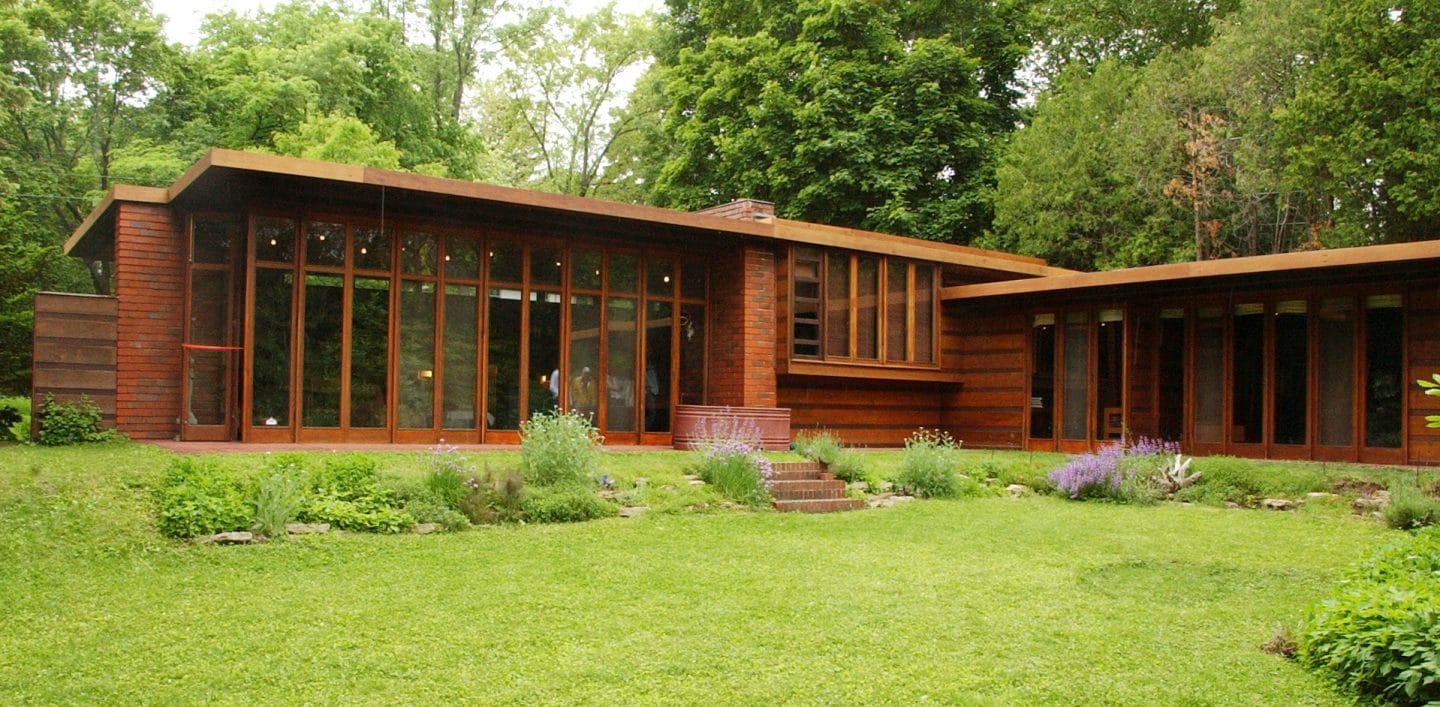
He called this vision "Usonian," a word he coined to differentiate a distinctly American way of living, free of previous conventions of architecture. His ambition was radical - could thoughtful design be made available to everyone, not just the privileged few?
Doing More with Less
The Usonian house was the definition of doing more with less. Single-storey, L-shaped, built on a concrete slab with in-floor radiant heating, these homes used standardized modules, natural materials, and built-in furniture to keep costs down without sacrificing light, proportion, or space.
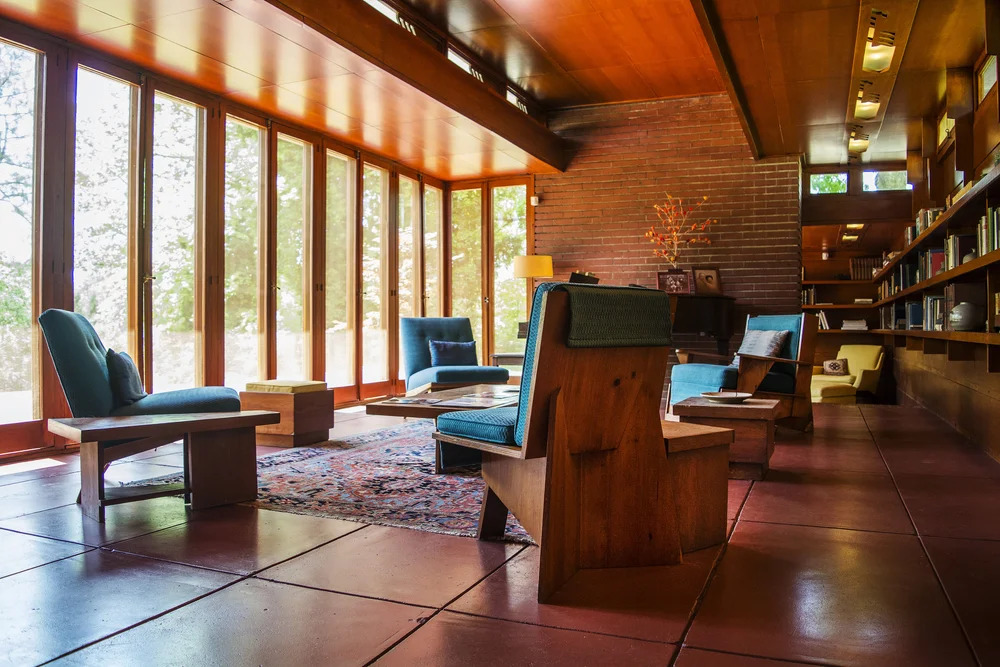
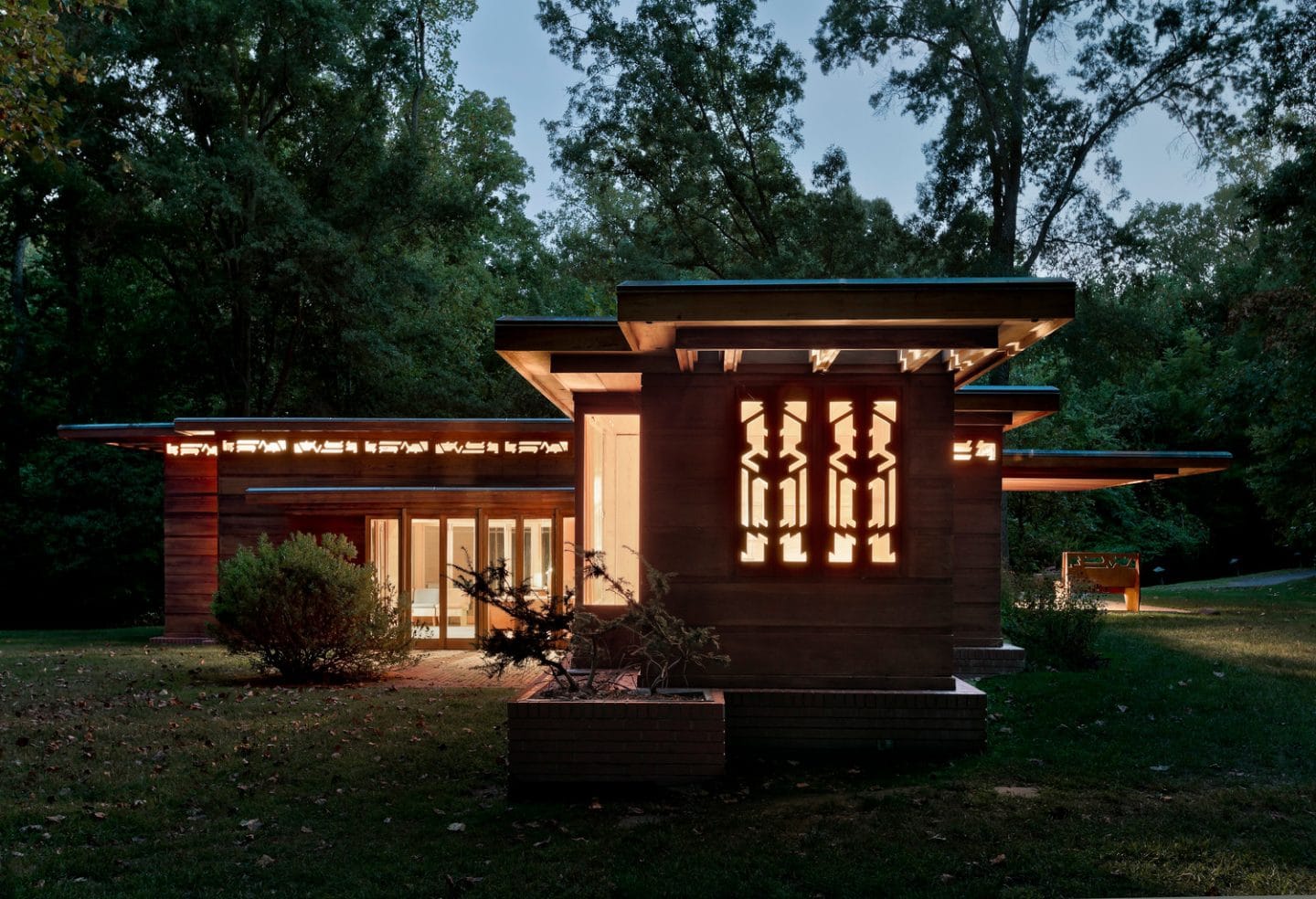
These houses lacked basements and attics, and the entire house was built around the living room, oriented towards the rear garden. Wright’s argument was simple, people deserve space, light, and a close connection with nature. Every room in the Usonian Houses was crafted to connect, visually and physically, to the outdoors.
Takeaways for Contemporary Architecture
What Wright understood, and what remains true today, is that constraints are not the enemy of good design, they are often its catalyst. Wright's Usonian idea was essentially a refusal, a refusal to treat budget as an excuse for thoughtlessness.
At Aedium, we see these ideas not as nostalgic ideals but as practical tools with urgent local relevance. Cities like Bengaluru has lost over 80% of its green cover in just four decades, consumed by haphazard growth. Areas like Whitefield, once envisioned as a planned IT hub have become some of the city's most congested corridors, with residents losing hours each day to traffic.
As a result, Wright's Usonian question feels more pressing than ever - how do we create homes that are affordable, sustainable, and adaptable to live in?